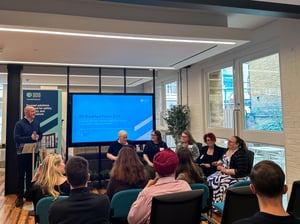

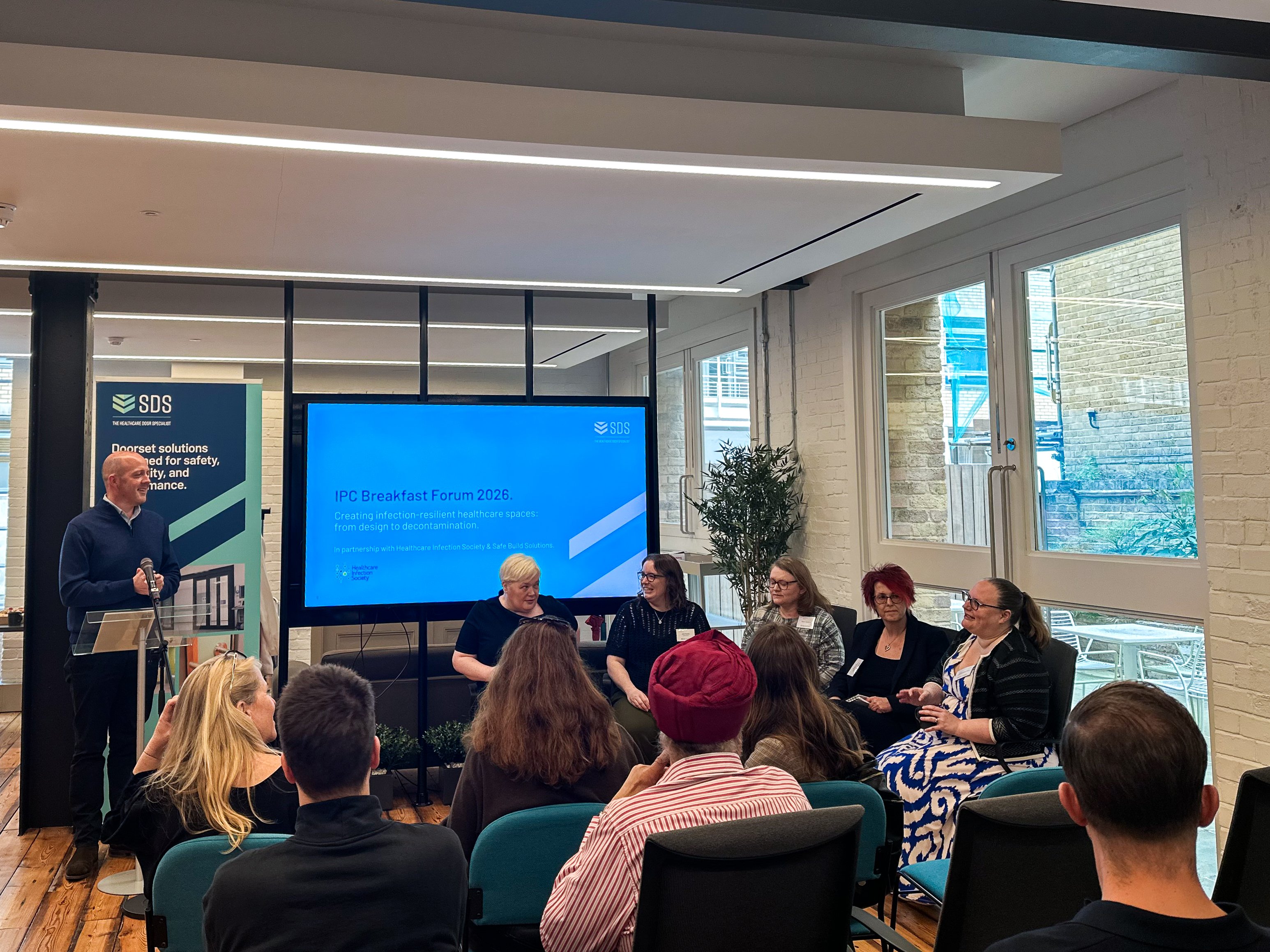
This May, we brought together infection control nurses, architects, healthcare scientists, decontamination specialists, and healthcare estates leaders for our first IPC Breakfast Forum.
What followed was an open, urgent, and highly practical discussion on patient safety in healthcare construction, a very insightful conversation. Here’s what we learned.
There’s a phrase that kept surfacing across every thread of our morning discussion: too late, too little, too expensive. It describes the pattern that IPC professionals across the NHS know well - infection prevention and control is brought into healthcare projects after the critical decisions have already been made, and by the time the problems become visible, the cost of correction has multiplied.
Unlike a fire, contamination and infection are invisible. It can’t be traced to a single moment of failure, a single specification decision, or a single corner cut. It accumulates, disperses, and claims harm quietly. That invisibility has allowed the issue to be deprioritised for a long time. Our forum was, in part, an attempt to make it visible.
When I prevent an outbreak in a hospital, I’ve prevented an outbreak. I’ve saved millions, but nobody sees it. Infection control has always been tasked with proving something that never happens.
- Alyson Prince, Infection Control Nurse & Built Environment Specialist.
The scale of the opportunity and the risk has never been larger. The New Hospital Programme will deliver eleven new hospitals. It is a once-in-a-generation chance to build infection-resilient environments from the ground up. It is also an equally extraordinary risk if the lessons of the past are not applied now, while design decisions are still being made.
Seven key insights:
Find out more.
We would like to thank all the speakers and attendees for their contributions to this rich discussion.
If you’d like to dive deeper into the discussion, you can watch the full session recording here and read our detailed summary paper providing an overview of the key outcomes and insights from the forum.
Continuing the conversation.
We’re committed to continuing these conversations and bringing the industry together to help navigate the Infection Prevention Control with confidence, whether through forums like this or through the support we provide every day on healthcare projects across the UK.
If you’d like to join our next event or find out more about how SDS is supporting healthcare partners, please get in touch at sales@specialistdoorsolutions.com.